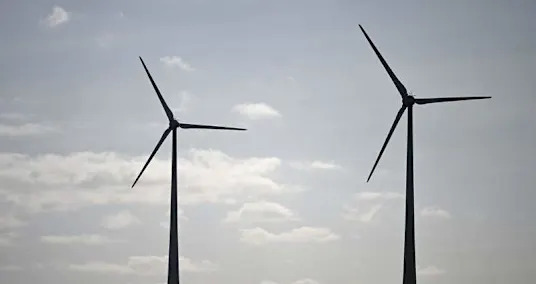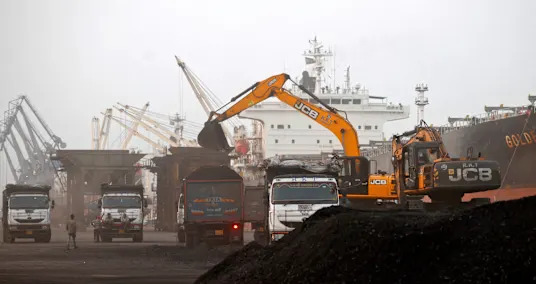
India’s much-delayed 2035 climate plan underestimates the country’s clean energy potential and allows for an acceleration of emissions growth, according to analysts. The plan aims to reduce the emissions intensity of its GDP by 47% from 2005 levels and increase the share of its electricity capacity from nonfossil sources to 60% by 2035.
The reduced carbon intensity target would, however, still allow India’s carbon emissions to increase by 70% over the next decade if GDP grows at a target rate of 7% per year, Lauri Myllyvirta of the Centre for Research on Energy and Clean Air told Semafor. That would translate to emissions growth of 5.5% per year, above the average rate of 3.5% over the past decade.
India is also on track to achieve its clean power capacity target well ahead of time: Its Central Electricity Authority projects that nearly 70% of power capacity will come from nonfossil sources by 2035-36.
“India’s booming clean energy industry is highly likely to deliver much faster progress than policymakers were prepared to commit to,” Myllyvirta said. Disruptions to oil and gas flows caused by the Iran war and the competitiveness of clean energy could strengthen the case for accelerating renewable deployment.
latest_posts


 German politician urges more face-to-face interaction in digital age
- The most effective method to Pick the Right Teeth Substitution Choice for You
- World leaders, rights groups react to COP30 climate deal
- From record warming to rusting rivers, 2025 Arctic Report Card shows a region transforming faster than expected
- Top notch DSLR Cameras for Photography Devotees
- Renewables cover over 50% of German electricity consumption in Q1
- Vote in favor of the wide open action that revives your brain and soul!
- Rick Steves' Favorite Time To Visit Spain Has Lower Prices And Fewer Crowds
- Ukrainian drones hit all three Baltic States − did Russia redirect them?